OSHA 10 and OSHA 30 are the two best known safety courses in the United States. Both belong to OSHA's Outreach Training Program, both end with a Department of Labor course completion card, and both are taught by OSHA-authorized trainers. The difference is who they are for and how deep they go.
Key takeaways
- OSHA 10 is for entry-level workers. OSHA 30 is for supervisors and workers with safety duties.
- Both come in a construction version and a general industry version. Pick the one that matches your job.
- Federal law does not require the cards, but many employers, unions, cities and states do.
- OSHA cards do not expire, but some local rules only count training from recent years.
The short answer
If you are new to a jobsite or a warehouse and your employer asked for "an OSHA card", they usually mean the 10-hour course. If you lead a crew, supervise a site or have safety responsibilities, the 30-hour course is the better fit, and some rules require it.
| OSHA 10 | OSHA 30 | |
|---|---|---|
| Who it is for | Entry-level workers | Supervisors and workers with safety responsibility |
| Training time | 10 contact hours | 30 contact hours |
| Depth | Awareness of common hazards and of workers' rights | More detail on hazards, prevention and safety programs |
| Versions | Construction or general industry | Construction or general industry |
| What you get | Department of Labor course completion card | Department of Labor course completion card |
Construction or general industry?
Each course has two main versions. The construction version focuses on the hazards that hurt the most people on building sites: falls, electrical hazards, being struck by objects and being caught in or between equipment. The general industry version fits manufacturing, warehouses, healthcare, retail and other work outside construction. OSHA also runs Outreach classes for maritime work and a Disaster Site Worker course.
Do you need an OSHA card?
OSHA itself does not require it. In OSHA's own words, the Outreach Training Program "is voluntary", and an OSHA card "is not considered a certification or license". Still, some states, cities, unions and employers make the training a condition of work.
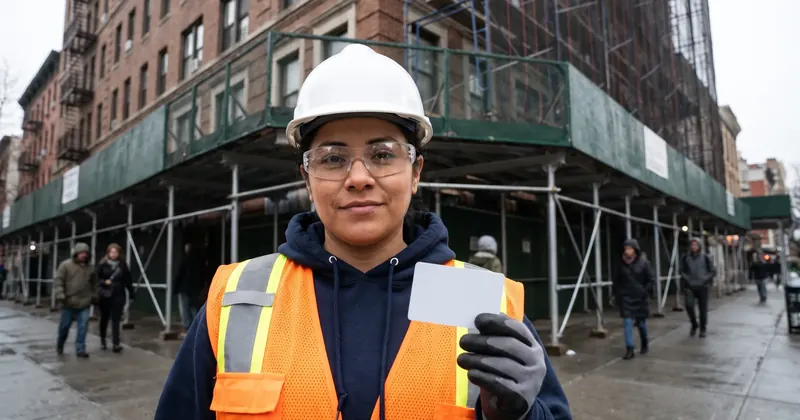
New York City is the best known example: most construction workers there need a Site Safety Training (SST) card, and OSHA 10 or OSHA 30 can count toward it. Before you enroll, ask your employer or check the project contract to confirm which course they accept.
Do OSHA cards expire?
According to OSHA, the cards for construction, general industry, maritime and disaster site work have no expiration date. Local rules can still set limits. New York City, for example, only counts OSHA training taken in the past five years toward an SST card.
Online or in a classroom?
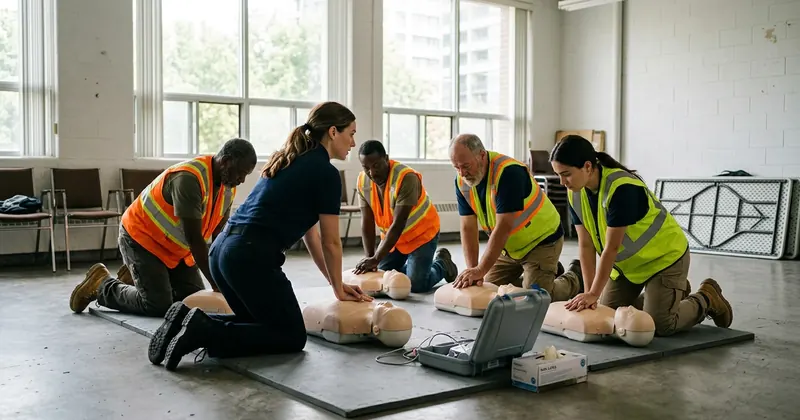
You can take both courses in person with an authorized trainer, or online with a provider on OSHA's list of accepted online programs. OSHA limits training to 7.5 contact hours per day, so neither course can be finished in one day.
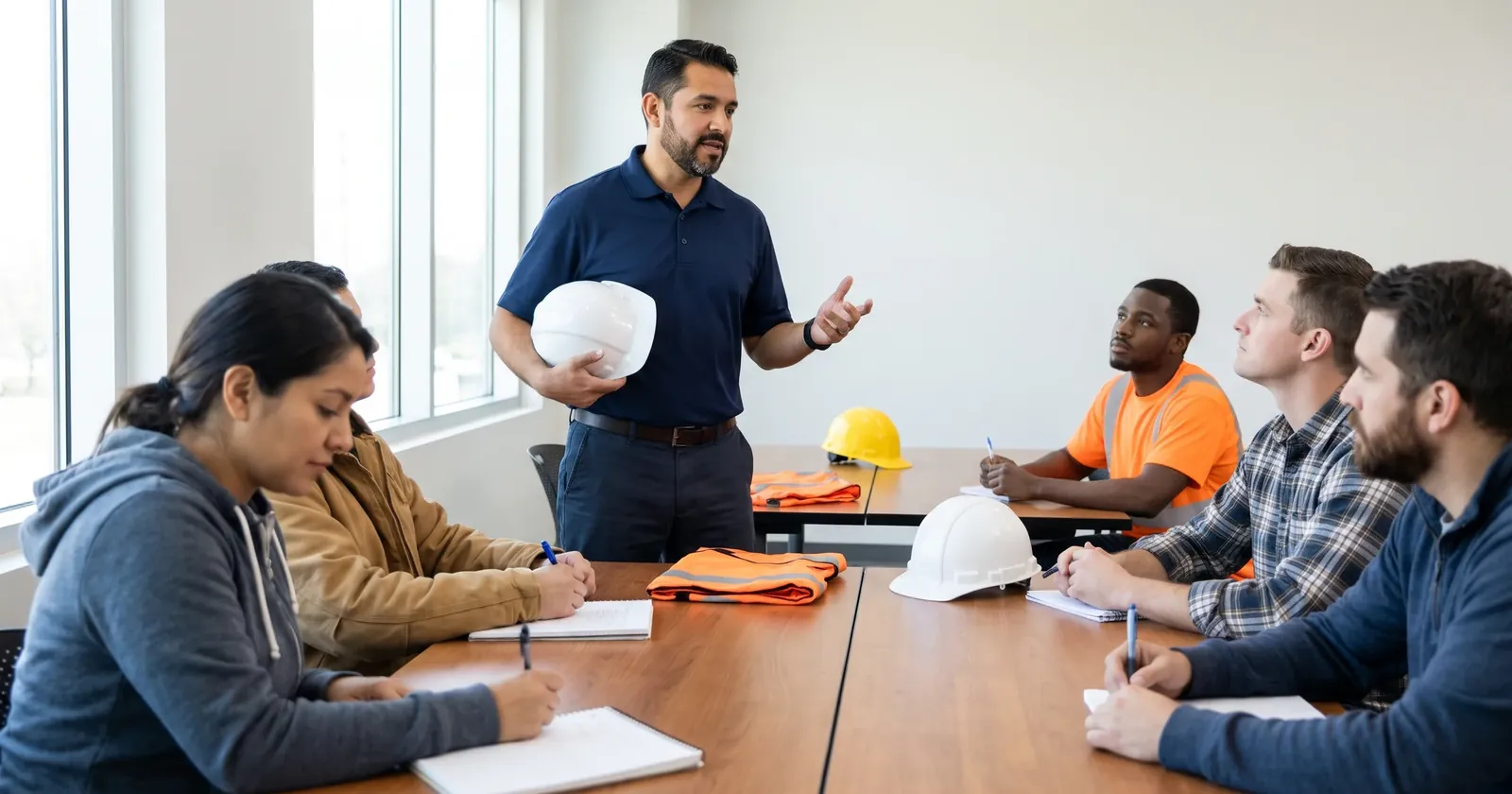
A classroom course helps workers who learn better with an instructor and lets you ask questions about your own jobsite. Many trainers teach in Spanish, and some in Portuguese. On SafeDot you can find OSHA 10 classes in Spanish near you, or switch the filter to English or Portuguese.
How to avoid fake OSHA cards
OSHA warns about "an increase in fraudulent activity" around these courses. A few habits protect your money and your job:
- Only OSHA-authorized trainers can teach the courses and issue cards. Ask to see the trainer's current authorized trainer card.
- The trainer must give you your card within 90 days of finishing the class.
- OSHA does not confirm individual cards. If you have doubts about a trainer, contact the organization that authorized them, or report it to OSHA at [email protected].
- Taking the course does not guarantee a job. Be careful with offers that promise one.
Lost your card?
Ask the trainer or online provider who taught your class. OSHA allows one replacement card per student per class, only when the class was taken within the last five years, and the provider may charge a fee. After five years you have to take the course again.
Find a class near you
SafeDot lists the trainers on OSHA's public Outreach trainer list, with the languages they teach, plus training schools in New York City. Search by city or ZIP code and send a free request for dates and prices.
Official sources
This guide is general information, not legal or medical advice. Rules change, so check the official sources and ask your employer or the agency that requires the training or exam.